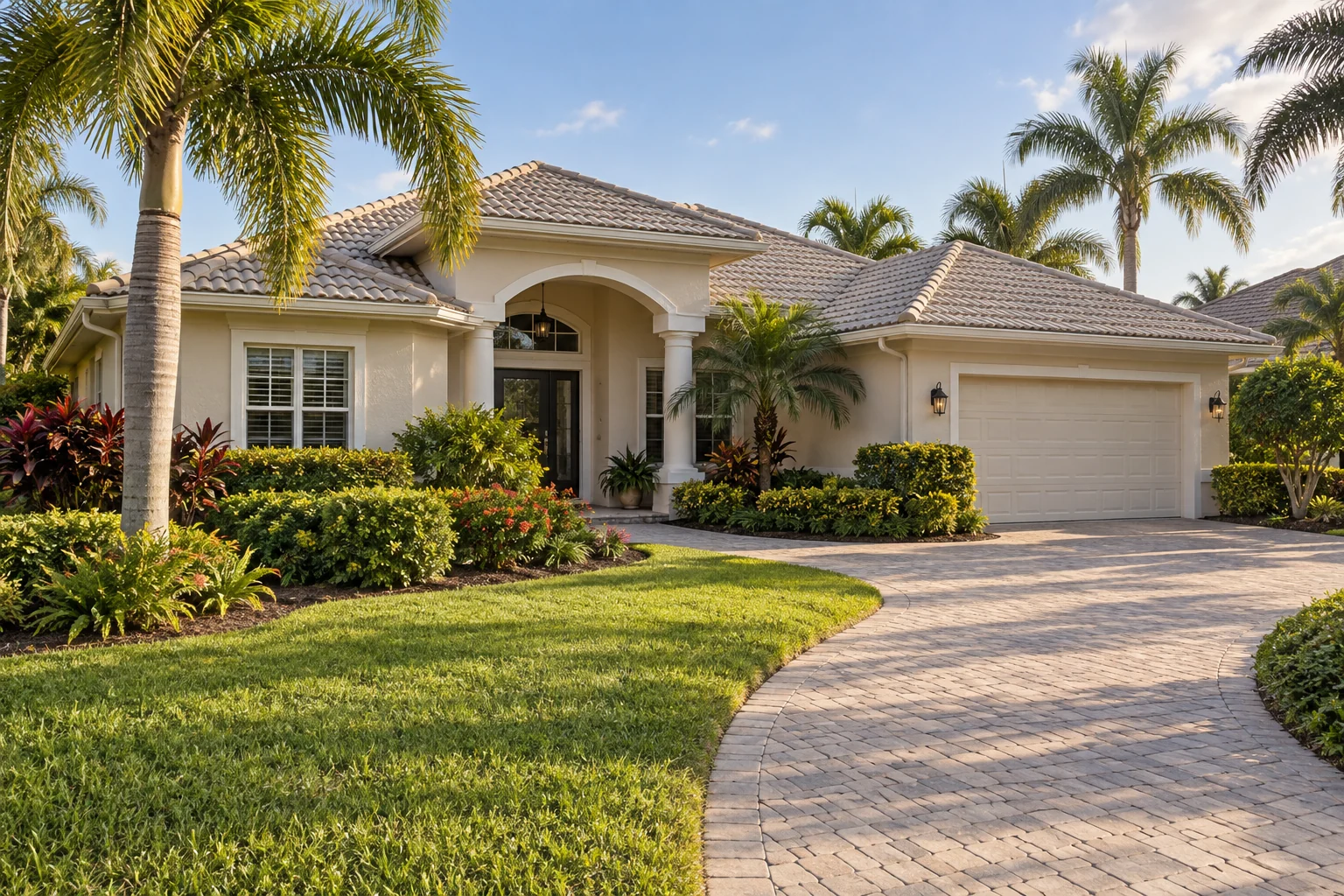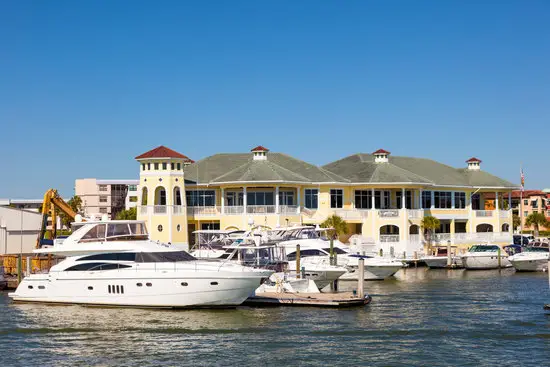
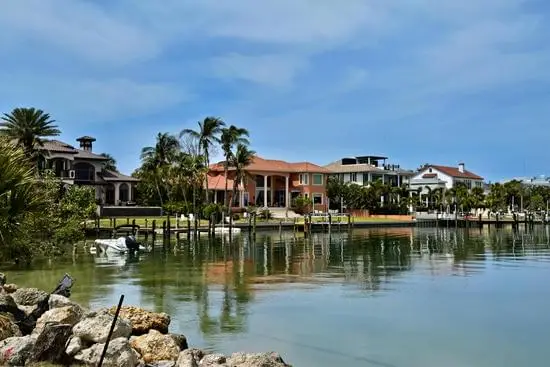
Marco Island second-home insurance should match the way you actually use and look after the property. A seasonal residence that sits unoccupied for part of the year creates different questions from a full-time home: occupancy, home-watch arrangements, water-loss controls, wind and flood protection, and responsibility for docks or boats all deserve a clear review.
This checklist helps seasonal owners prepare for a useful policy conversation before leaving the island or renewing coverage. PRK Insurance Inc is a Full Service Insurance Agency serving Marco Island and Southwest Florida. Explore our homeowners insurance service or request a quote for your second home.
Does your policy fit a seasonal Marco Island home?
Review occupancy, protection plans, wind, flood and property features with a local Full Service Insurance Agency.
1. Describe the occupancy accurately
Tell the agent whether Marco Island is your primary residence, a second home used only by your household, a property available to guests, or a short- or long-term rental. Also explain how many months it is normally occupied and whether anyone stays there while you are away. Florida’s Department of Financial Services lists how a home is used among the factors insurers may review during underwriting.
Do not decide for yourself that “unoccupied,” “vacant” and “seasonal” mean the same thing. Definitions and restrictions vary by contract. Ask what the policy requires during extended absences and notify the agent before changing the property’s use.
2. Put your home-watch plan in writing
Choose a trusted local contact or professional home-watch provider and agree on what will be checked. A useful visit may include doors and windows, signs of roof or ceiling leaks, air conditioning, unusual odors, plumbing fixtures, pool equipment and visible storm damage. Decide who can authorize an emergency repair and where keys, alarm instructions and contractor details are stored.
Ask the insurer whether it expects a particular inspection schedule or documentation. A home-watch arrangement is practical risk management, but it does not change policy terms or guarantee that a claim will be covered. Keep dated visit records, photos and repair receipts where you can reach them remotely.
3. Reduce the chance that a small leak becomes a large loss
Before leaving, decide whether to shut off the domestic water supply, while accounting for any systems that must remain active. Consider professionally installed leak sensors, an automatic shutoff valve and remote temperature or humidity monitoring. Service the air conditioning, water heater, supply lines, pool system and irrigation before a long absence.
Ask how the policy treats escape of water, repeated seepage, maintenance problems and mold. Protective devices may be helpful, but never assume they create a discount or replace required maintenance. Your plumber, HVAC professional and insurer can address different parts of the plan.
4. Coordinate homeowners, wind and flood protection
Confirm whether wind and hurricane damage are included, excluded or written separately. Convert any percentage hurricane deductible into a dollar amount at the current dwelling limit. Review roof settlement, screened enclosures, loss of use and the procedure for reporting damage while you are out of state.
Most homeowners policies do not cover flood damage from rising water or storm surge. The City of Marco Island says every property on the island is in, on or near a Special Flood Hazard Area and provides current floodplain resources. Compare separate building and contents protection through PRK’s flood insurance service. FEMA notes that waiting periods may apply, so review coverage before storm season rather than when a storm is approaching.
5. List docks, lifts, seawalls, boats and outdoor features
Do not assume every feature attached to a coastal property is protected like the house. Identify docks, boat lifts, seawalls, pools, cages, fences, detached structures, generators and landscaping. Ask which policy—if any—addresses each feature, which causes of loss apply, and what limits or exclusions matter.
A boat also needs its own review. Homeowners and flood policies can exclude or sharply limit watercraft and related equipment. Visit PRK’s boat insurance page rather than relying on the home policy to fill that role.
6. Keep a remote-ready insurance file
- Current declarations pages and complete policy documents.
- Agent, insurer, home-watch and emergency contractor contacts.
- Roof permits, invoices, four-point and wind-mitigation reports.
- A dated home inventory, interior and exterior photos, and receipts for valuable items.
- Alarm, leak-detection and automatic-shutoff documentation.
- Mortgage, flood, dock, boat and umbrella policy information.
- Instructions for reporting a claim and preventing further damage.
Store secure copies where you can access them away from the property. For broader local assistance, visit PRK’s Marco Island insurance hub.
7. Review the plan every year—and after any change
Before each renewal, confirm occupancy, contact details, dwelling limit, deductibles and home-watch arrangements. Report a new roof, impact windows, water-control system, renovation, rental activity, dock work or change in who uses the home. Check the flood policy and inventory at the same time so separate protections do not drift out of date.
Frequently asked questions
Does a Marco Island second home need a different policy?
It may. The correct policy depends on occupancy, property use, rental activity and underwriting. Describe the arrangement accurately so the agent can identify appropriate options.
Does a home-watch service guarantee insurance coverage?
No. Regular checks can help identify problems, but coverage still depends on the policy, cause of loss, conditions and facts of the claim.
Should I shut off the water when I leave?
Ask your insurer and a qualified plumbing professional. The right approach depends on the home and systems that need water, and any shutoff should be performed safely.
Does second-home insurance include flood coverage?
Usually not. Most homeowners policies exclude rising-water flooding and storm surge. Flood coverage is generally purchased separately.
Review your Marco Island second home before you leave
PRK Insurance Inc helps seasonal Southwest Florida homeowners review occupancy, deductibles, property features and related flood protection. Start a second-home insurance quote or contact the PRK team before your next extended absence or renewal.
This article provides general insurance information, not a coverage guarantee or legal advice. Availability, eligibility, limits, exclusions, duties, deductibles and underwriting vary by property, carrier, policy and effective date. The policy contract controls.