An unusually high tide can put water where you do not expect it, even on a sunny day. With another king tide window approaching, now is a useful time to check what protects your home, belongings and car.
The next West Coast windows in the South Florida Water Management District’s 2026 forecast are September 29–October 1 and October 27–29. Here is what those dates mean for Naples-area residents, and which insurance questions to ask before water rises.
When are the next king tides in Southwest Florida?
| 2026 West Coast window | What to check |
|---|---|
| September 29–October 1 | Current local tide outlooks, coastal flood advisories and your existing coverage. |
| October 27–29 | Local conditions and the confirmed effective date of any new or changed policy. |
These are regional forecast windows, not a prediction that every waterfront street will flood. Peak times and water levels vary by location. Wind, rainfall and other conditions can change the impact. SFWMD provides local outlooks for Naples/Naples Bay North and Fort Myers.
Use the official SFWMD forecast and local outlook links for updates. Its East Coast and Florida Keys calendars are different from the West Coast schedule.
What makes a king tide different from a hurricane?
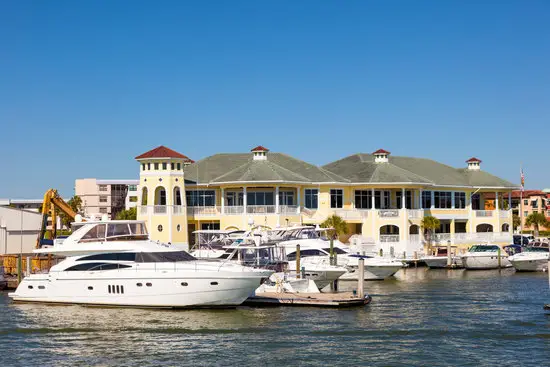
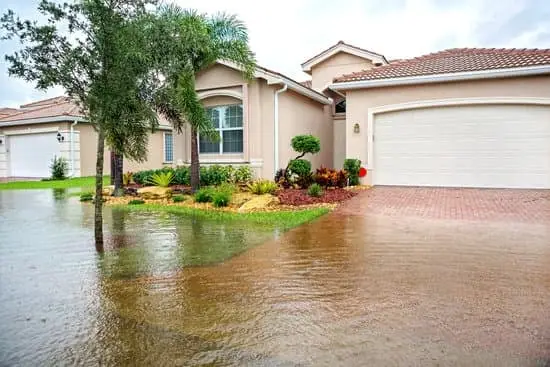
“King tide” describes an unusually high astronomical tide. It can occur without a hurricane. Low-lying coastal areas may experience water on roads, around docks or near homes, while rain and onshore winds can make conditions worse.
A storm surge is a storm-driven rise in water. The causes differ, but either event can raise the same insurance question: which policy covers rising water reaching your property?
Home, flood and auto insurance play different roles
Your home: review separate flood protection
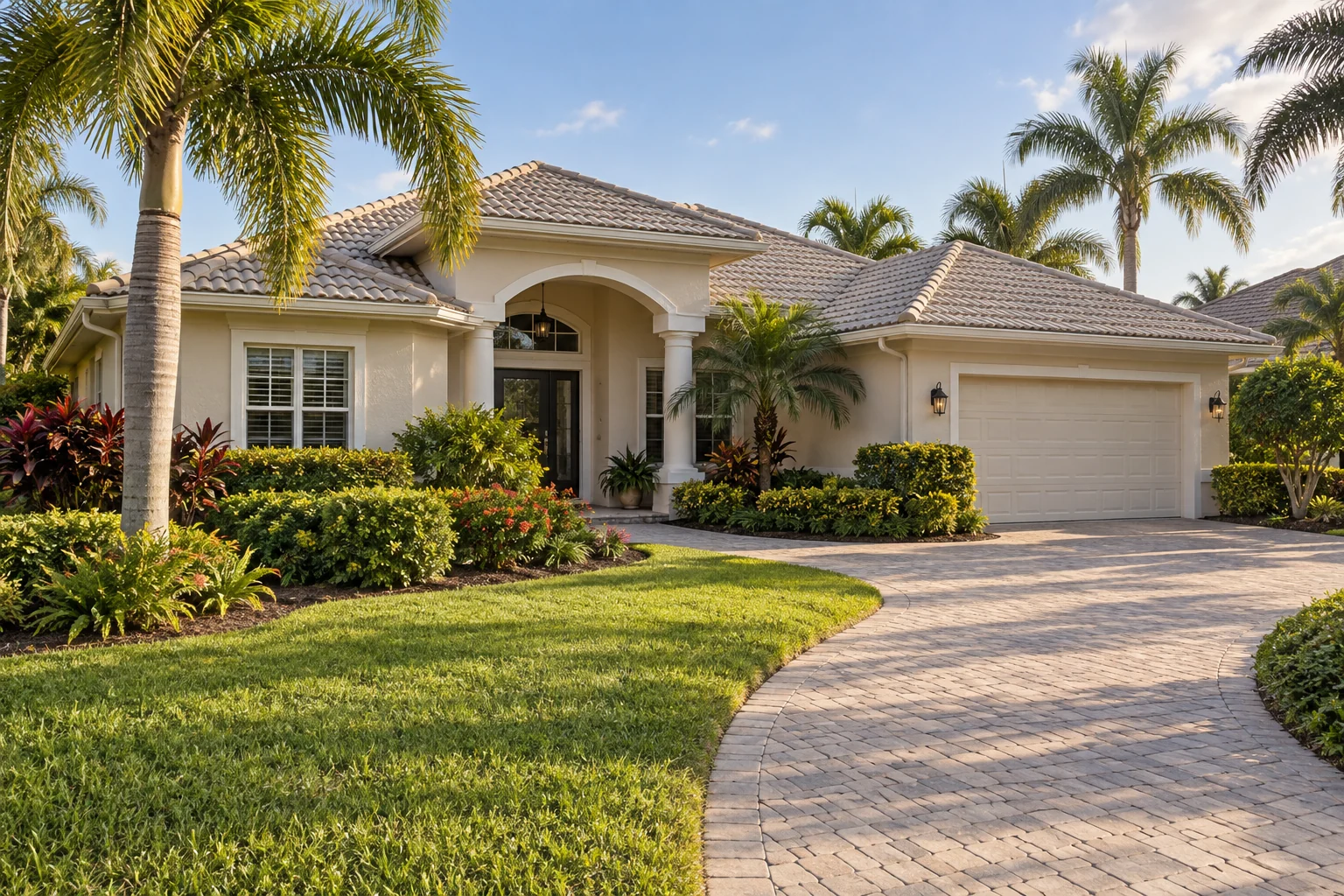
Most homeowners policies exclude flood damage. Having wind or hurricane coverage does not automatically add protection against tidal flooding. A flood policy may respond when the event meets its definition of flood and the damaged property is covered. Review your home insurance alongside your flood insurance.
Your belongings: check contents coverage
Under the National Flood Insurance Program (NFIP), building and contents coverage are separate selections with separate deductibles. Do not assume a policy covering the structure also protects furniture, clothing or electronics. The NFIP buying guide explains these distinctions. Condo owners should also review their own coverage alongside the association’s policy.
Your car: check comprehensive coverage
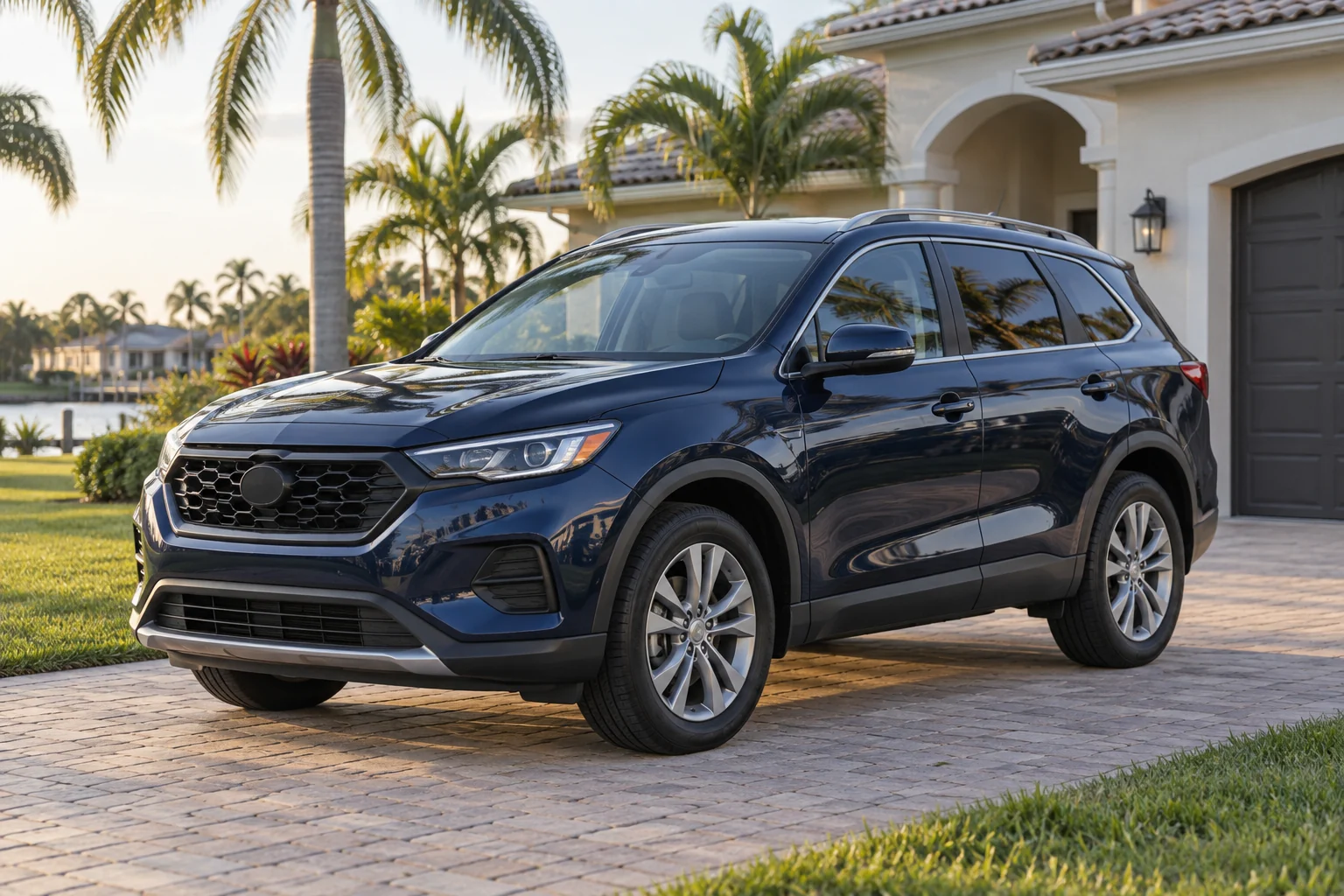
Flood damage to your own vehicle is generally a matter for comprehensive auto coverage, subject to the policy and deductible. Liability-only coverage does not provide that protection, and a home flood policy does not insure your car. Check each vehicle on your auto insurance declarations, including any car left at a seasonal home. See the insurer’s explanation of flood-related vehicle damage.
Can a new flood policy start before the next tide window?
Do not assume coverage starts when you request a quote or make a payment. NFIP policies generally have a 30-day waiting period, with specific exceptions, including certain mortgage transactions. Private flood policies have their own effective-date and underwriting rules.
As of September 27, a new NFIP policy subject to the normal waiting period would not be effective for the September 29–October 1 window. For the October window, have the agent confirm the exact start date and time. A quote is not confirmation that coverage is in force.
Ask: “When does this coverage become effective, and do any waiting periods or restrictions apply?” See the NFIP’s waiting-period guidance, or call PRK at 239-799-5884 to discuss your policies.
A short checklist before water rises
- Check the local outlook. Follow official coastal flood alerts and road closures for your area.
- Find your policy documents. Check flood building and contents coverage, comprehensive auto coverage, deductibles and effective dates.
- Document your property. Photograph rooms and belongings, and keep policy details and claim contacts somewhere you can access away from home.
- Plan for your vehicles. Identify a safe higher parking location in advance. Do not drive through floodwater or move a car once doing so would put you at risk.
- Prepare if you are away. Seasonal owners should arrange a trusted local contact and make sure they know how to reach you.
For practical flood safety advice, follow the National Weather Service’s flood guidance. Insurance is one part of preparation; local emergency instructions come first.
Questions Naples homeowners ask
Does a king tide automatically mean I have a covered flood claim?
No. The policy must be in force, the event must meet its terms and definition of flood, and the damaged property must be covered. Deductibles, exclusions and limits still apply. Report any loss to the relevant insurer for a claim-specific assessment.
Should I review flood coverage if my lender does not require it?
Yes. A lender’s insurance requirement is not a complete assessment of your property’s exposure. Ask about the address, elevation, drainage, coverage options and the cost you would have to absorb after an uninsured loss.
Can PRK help if I live outside Naples?
PRK is a full-service insurance agency based in Naples and serving clients across Florida. These tide dates are specific to the West Coast region; use the appropriate local forecast for your property.
Let’s review your home, flood and auto coverage
Call our Naples team with your property address and current policy details. We can help you understand what you have and compare available options.
Full-service insurance agency · Based in Naples, serving Florida
Monday–Friday, 9 a.m.–5 p.m. Eastern