
Hurricane and flood insurance Southwest Florida property owners need are two different protections. Homeowners or wind coverage may address covered hurricane wind damage, while a separate flood policy is generally needed for storm surge and rising water.
That distinction is essential in Naples and coastal communities, where one storm can cause wind, rain, and flood damage at the same property. This guide shows how the coverages fit together and what to review before hurricane season. For an address-specific comparison, request a home and flood insurance quote.
Review wind and flood protection before storm season
Coordinate homeowners or condo coverage with separate flood protection, understand deductibles, and plan before waiting periods or storm restrictions apply.
What covers hurricane damage in Southwest Florida?
| Cause of damage | Coverage to review | Important detail |
|---|---|---|
| Hurricane wind damages the roof or siding | Homeowners, condo, landlord, or separate wind policy | Wind must be included, and a hurricane deductible may apply. |
| Wind creates an opening and rain enters | Property or wind policy | Coverage depends on the cause, opening, exclusions, and policy language. |
| Storm surge or rising surface water enters the building | Flood insurance | Standard homeowners policies generally exclude flood. |
| A pipe suddenly breaks inside the home | Homeowners or condo policy | This is not a flood; sudden water damage may be covered, subject to terms. |
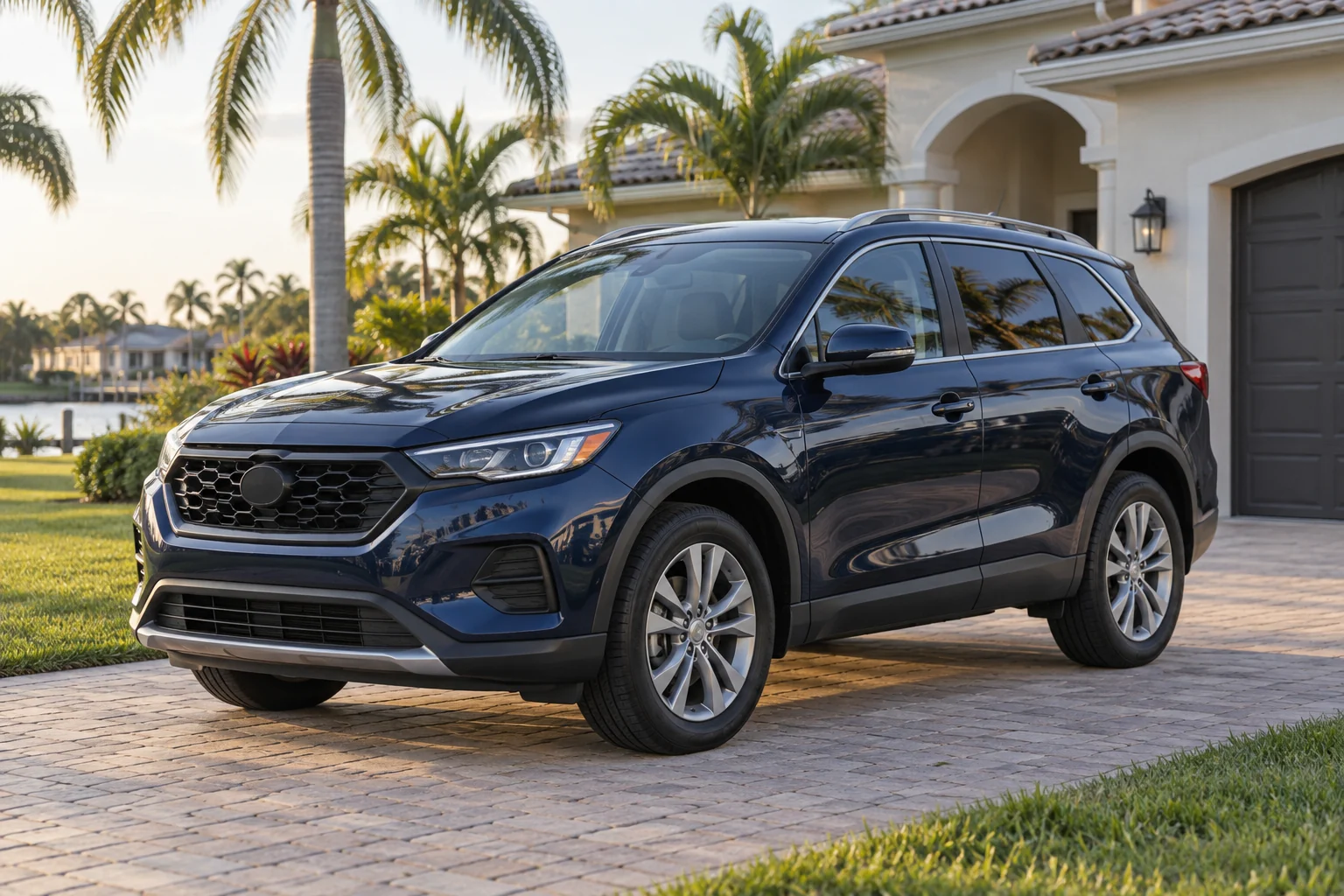
| A vehicle is damaged by storm water or falling debris | Comprehensive auto coverage | Liability-only auto insurance does not repair your own vehicle. |
The cause of loss—not simply the fact that a hurricane was present—helps determine which policy may respond. Keep both policies and both claim contact numbers available.
Does homeowners insurance cover hurricane wind?
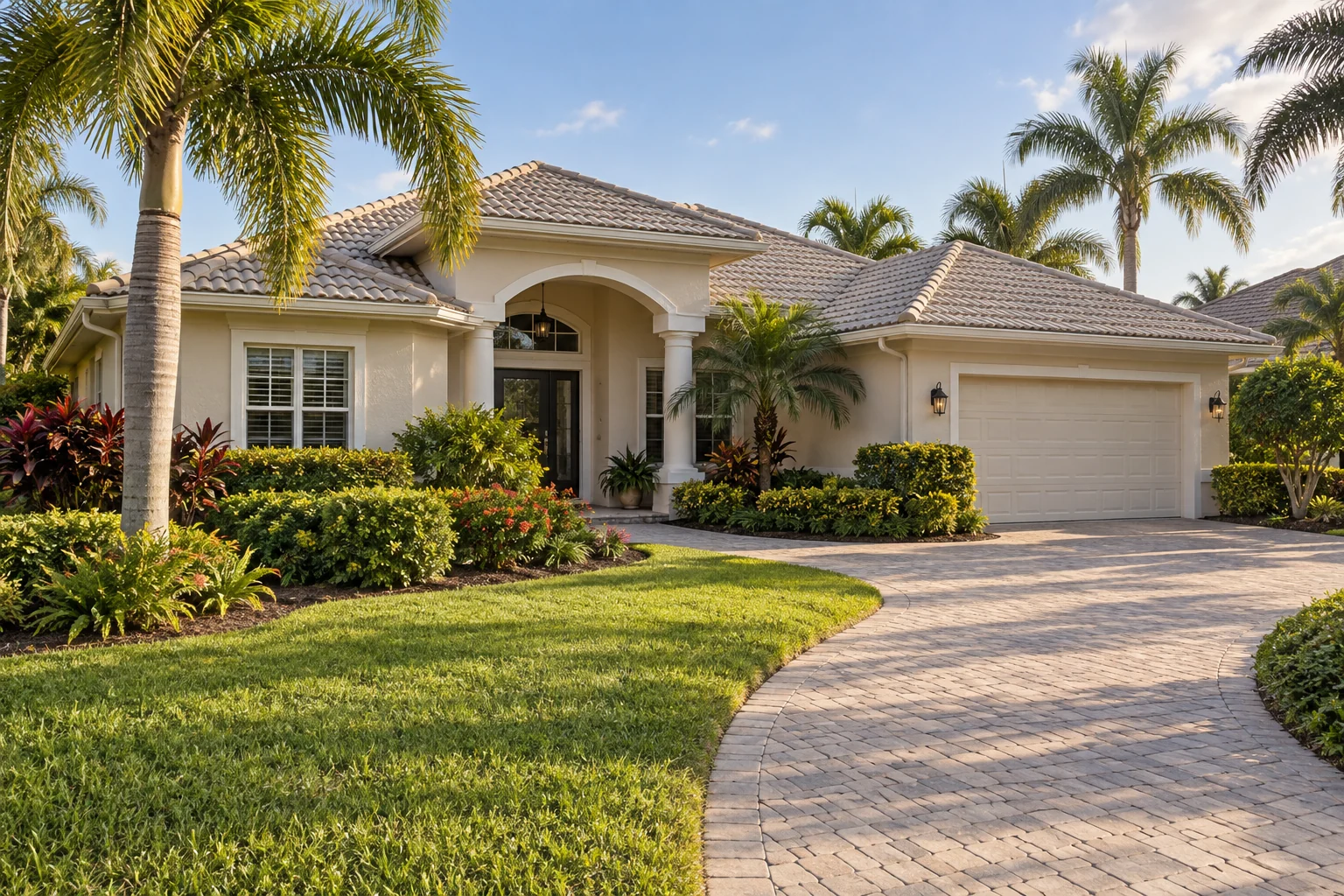
Many Florida homeowners policies include windstorm or hurricane coverage, but some policies exclude it or require a separate wind policy. Covered wind damage may include damage to the dwelling, other structures, and belongings, plus additional living expenses when a covered loss makes the home uninhabitable. Limits and exclusions vary.
Review the declaration page for wind or hurricane coverage, the dwelling limit, other-structures limits, personal-property settlement terms, loss of use, ordinance-or-law coverage, and the hurricane deductible. PRK’s Southwest Florida homeowners insurance page explains the broader home policy.
How does the Florida hurricane deductible work?
A hurricane deductible is the amount you pay toward a covered hurricane loss before the insurer pays. It is frequently a percentage of the dwelling limit.
Example: a home insured for $400,000 with a 2% hurricane deductible has an $8,000 hurricane deductible. A 5% deductible on the same dwelling limit is $20,000. The percentage applies to the insured value, not the amount of the claim.
For many Florida personal residential policies, the hurricane deductible is cumulative during the calendar year when the property remains insured with the same insurer or insurer group. A later hurricane claim in the same year may use the remaining hurricane deductible or the all-other-perils deductible, depending on the circumstances. Surplus-lines policies can work differently, so the contract matters.
The Florida Department of Financial Services publishes the official Florida hurricane deductible guide. Convert any percentage to dollars before choosing a policy and keep that amount in your emergency plan.
Does home insurance cover flood or storm surge?
Generally, no. Most standard homeowners, renters, condo, and landlord policies exclude flood, which usually means water that inundates normally dry land. Storm surge is treated as flood. A separate flood policy can cover eligible building and contents losses caused directly by flooding.
The National Flood Insurance Program confirms that most homeowners insurance does not cover flood damage. Its policies separate building coverage from contents coverage. Private flood insurance may provide different limits, deductibles, waiting periods, settlement terms, and additional features. See the official NFIP flood insurance basics and PRK’s Naples flood insurance overview.
NFIP versus private flood insurance
National Flood Insurance Program (NFIP)
- Standardized federal policy language and eligibility rules
- Separate building and contents limits
- Coverage available in participating communities
- A standard 30-day waiting period for new coverage, with specified exceptions
- Limits or exclusions for items below the lowest elevated floor, additional living expenses, and some property outside the building
Private flood insuranceLooking for address-specific guidance? Browse PRK’s Southwest Florida service area, including Naples and Marco Island.h3>- Carrier-specific limits, deductibles, eligibility, and forms
- Potential options above NFIP limits
- Possible coverage for additional living expenses or other features, depending on the form
- Carrier-specific waiting periods and underwriting
- Different renewal, cancellation, and lender-acceptance considerations
Neither route is automatically best. Compare the building and contents limits, replacement-cost or actual-cash-value treatment, deductible, waiting period, exclusions, loss-of-use options, and financial/claims considerations. Confirm that a mortgage lender accepts the policy before replacing required flood coverage.
Do homes outside a high-risk flood zone need flood insurance?
Flood zones help describe mapped risk and lender requirements, but they are not a guarantee that flooding will or will not occur. Heavy rainfall, drainage problems, new construction, overwhelmed canals, and storm surge can affect properties beyond a mandatory-purchase zone. The decision should consider the property’s elevation, drainage, prior flooding, building design, financial ability to absorb a loss, and available policy options.
Ask for the current flood-zone information and an elevation certificate when available, but do not use the phrase “not in a flood zone” to mean “no risk.” Every property is in a mapped flood zone; the level of risk differs.
How should Naples condo owners coordinate hurricane and flood coverage?
A condo association’s master policy and a unit owner’s HO-6 policy cover different property. The master policy may address parts of the building and common elements, while the unit policy can cover interior items, personal property, loss of use, liability, and loss assessment, subject to the bylaws and policy.
Flood coverage is also divided between the building/association and the unit owner’s contents or improvements. Review the association declaration page, deductibles, responsibility language, reserve planning, and the unit’s HO-6 condo insurance. A large association wind or flood deductible can create an assessment risk that deserves specific discussion.
Insurance checklist before hurricane season
- Read both declaration pages. Confirm wind/hurricane and flood coverage, limits, deductibles, and policy periods.
- Convert percentage deductibles to dollars. Plan how you would pay them.
- Update reconstruction details. Report renovations, roof work, additions, and major purchases.
- Review wind mitigation. Submit a current accepted inspection after qualifying improvements.
- Create a home inventory. Photograph rooms, valuables, appliances, and serial numbers; store a copy away from the property.
- Check flood waiting periods. NFIP coverage usually has a 30-day wait, with exceptions; private policies vary.
- Protect vehicles. Verify comprehensive auto coverage and plan where vehicles will be moved.
- Save claim contacts. Keep insurer, agent, mortgage, emergency, and contractor details offline.
- Make physical preparations. Insurance cannot prevent injury or damage; follow official evacuation and property-protection guidance.
Carriers commonly restrict new applications or coverage increases when a named storm threatens Florida. Waiting until a watch or warning can be too late.
What should you do after wind and flood damage occur together?
- Put safety first and follow local re-entry instructions.
- Take wide and close photographs before moving damaged items.
- Make reasonable temporary repairs to prevent additional damage, if safe.
- Save receipts and separate damaged from undamaged property.
- Report the loss promptly to every policy that may apply.
- Describe facts and observed damage; avoid guessing about the cause.
- Do not discard property until the adjuster gives instructions.
- Keep a claim log with dates, names, decisions, and documents.
Frequently asked questions
Is storm surge covered by hurricane insurance?
Storm surge is generally considered flood and is excluded by standard homeowners policies. A separate flood policy is the coverage to review. Hurricane wind damage may be covered by the property or wind policy.
Can I buy flood insurance right before a hurricane?
You can apply when the market is open, but coverage may not begin immediately. NFIP policies generally have a 30-day waiting period with defined exceptions, and private policies have their own rules. A flood already in progress is not covered by a newly purchased policy.
Does a flood policy cover temporary housing?
The standard NFIP policy does not cover additional living expenses. Some private flood policies may offer this feature. Compare the form, limit, and triggering conditions.
Does wind mitigation affect flood insurance?
Wind-mitigation features primarily relate to windstorm risk and the wind portion of a property premium. Flood pricing considers different factors, including location, building characteristics, elevation, and coverage choices.
Review hurricane and flood protection before the next storm
PRK Insurance Florida helps Naples and Southwest Florida property owners coordinate home, condo, wind, flood, and auto protection. Request an insurance quote or contact the Naples team to review current policies and possible gaps.
This article is general educational information, not a promise of coverage or legal advice. Insurance availability, limits, exclusions, deductibles, waiting periods, discounts, and eligibility vary by policy, carrier, property, and effective date. The policy contract controls.